Introduction to WHQL
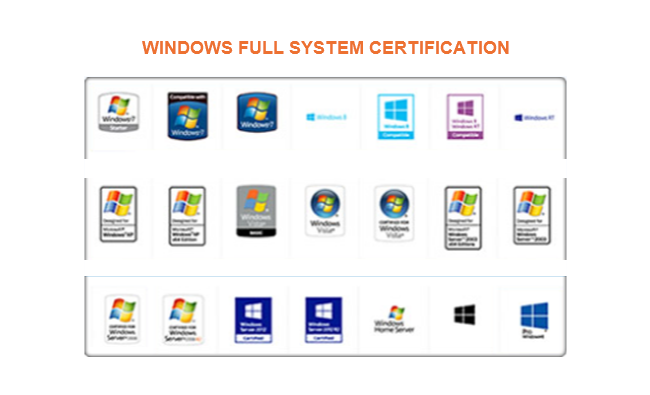
WHQL, also known as Windows Logo testing, is short for Windows Hardware Quality Labs and a certification standard established by Microsoft. By conducting strict tests of drivers and devices on Microsoft’s test platform, the WHQL test provides various advantages such as better user experience, trust list, easier improvement, eligibility to use the "Designed for Windows" logo and inclusion of its products in the Hardware Compatibility List (HCL) and Windows directory.
Microsoft provides the Windows Logo Program to, on the one hand, address compatibility, stability, and interoperability between devices and Windows operating systems, eliminate the issue of system or device downtime and performance drop, and provide users with a better experience. On the other hand, it helps customers identify the systems and peripheral equipment that can meet platform’s basic requirements and ensures a high-quality Windows experience for end users.
WHQL is designed to identify high-quality PC systems and component products for Windows. Passing WHQL test and obtaining the Windows Logo is the process of product standardization, internationalization and branding. Familiarizing with the WHQL testing and certification process is a must for hardware manufacturers to produce next-generation PCs and peripheral equipment.