
SSL憑證
安裝SSL憑證開啟網站HTTPS加密,提供可信身分驗證,避免傳輸過程資料外洩或竄改。
取得SSL憑證 →Blog > How to Secure an AI-Generated Website: Domains, SSL & Hosting in 2026
Tag:
AI
AI website builder
SSL Certificates
Hosting
:0
Andrea
AI website builders have transformed how quickly businesses can launch online. In 2026, you can generate a full website in minutes, but security still depends on the choices you make around domains, SSL, and hosting.
This article explains how secure AI-generated websites really are, and how to properly protect them if your site will support real business operations.
Most modern AI website builders are secure for basic websites, such as landing pages, portfolios, or informational business sites. They typically include managed hosting, automatic updates, and built-in SSL encryption.
However, not all platforms offer the same level of security transparency.
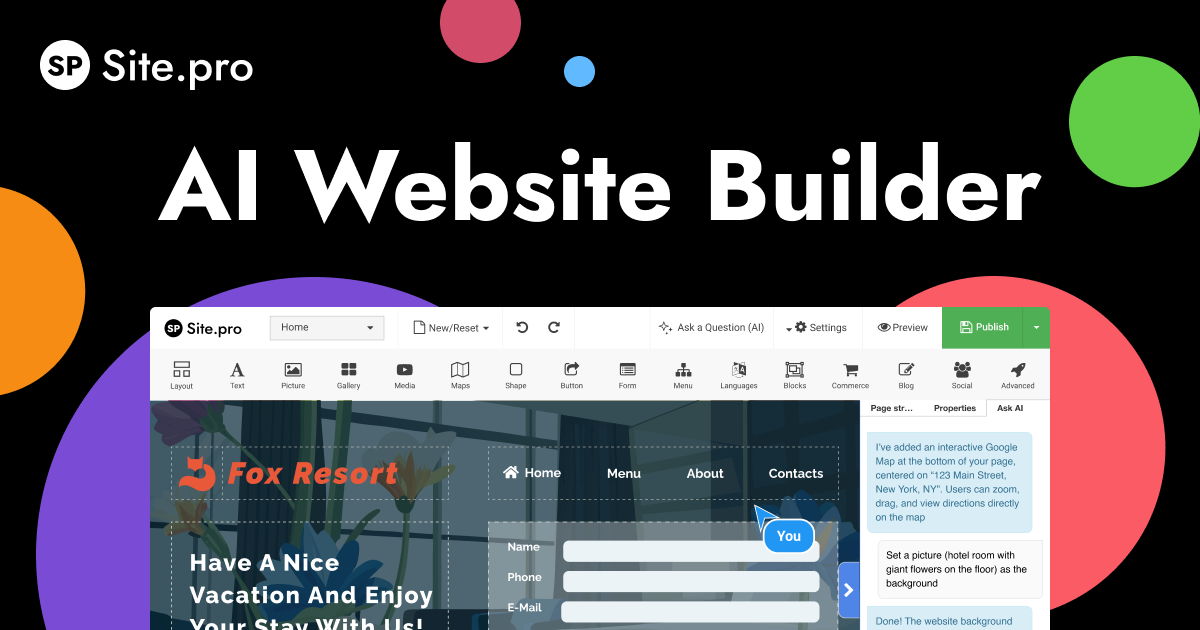
Choose AI builders that demonstrate clear security practices and infrastructure stability. For example, Site.pro has operated for over two decades and offers HTTPS implementation, monitored hosting, and generally positive reliability feedback from users. The service supports a full hands-off website creation with conversational commands, which is helpful both for non-technical users and busy professionals willing to save time.
Reputable AI website platforms do:
For informational or marketing websites, this level of built-in protection is often sufficient.
But once a site handles sensitive data or business transactions, relying solely on builder-level security becomes risky.
If your AI-generated website will process payments, store customer data, or support user accounts, you need additional protection beyond default builder settings.
Businesses handling sensitive information should look for platforms or hosting environments that follow recognized cybersecurity standards such as SOC 2 or ISO 27001. These frameworks verify that systems are audited, monitored, and managed according to established security controls.
The International Organization for Standardization maintains ISO 27001, one of the most widely used global standards for information security management. Using providers aligned with these standards significantly reduces risk.
Your domain name is the control center of your website. If attackers gain access to it, they can redirect traffic, hijack email, or take the site offline completely.
According to guidance from ICANN, domain hijacking remains a major risk when registrant accounts lack strong authentication or transfer protections.
A secure domain setup should include:
DNSSEC is particularly important because it prevents attackers from redirecting users to fake versions of your site through DNS manipulation. Without domain-level protection, even a well-secured website can be compromised.
SSL encryption is no longer optional. Modern browsers flag non-HTTPS sites as unsafe, and search engines prioritize secure websites.
SSL protects data transmitted between users and your site, including login credentials, contact forms, and payment information. It also prevents session interception and tampering.
Many AI website builders include free SSL certificates. To ensure SSL is properly configured:
Google confirms HTTPS is a ranking signal and security requirement for modern websites.
Even if your website is AI-generated, hosting infrastructure plays a major role in security. A vulnerable hosting environment can expose your site to malware injection, downtime, or data breaches. Secure hosting environments typically include firewall protection, malware scanning, DDoS mitigation, and automated backups.
NicSRS provides managed hosting, SSL certificates, and automated security tools that help protect websites and digital assets, making it easier for non-technical users to maintain a secure site. Managed hosting environments are generally safer because updates and server security are handled automatically, while self-hosting an exported AI site requires manual configuration, monitoring, and patching.
Even with a reputable AI builder and secure hosting, adding a few extra safeguards significantly reduces risk.
Key protections include:
These measures create a layered security model — the same approach recommended by modern cybersecurity frameworks.
AI can build a website in minutes. Securing it properly still requires deliberate planning.
A secure AI-generated website in 2026 should include:
Think of AI website builders as the foundation. Real security comes from combining that foundation with strong domain protection, verified encryption, and trustworthy hosting infrastructure.
RELATED
Free SSL Tools

Top Posts